Introduction
China's cultural renaissance is a multifaceted movement that has seen the nation reclaim and reinvent its rich historical legacy to shape a modern identity that resonates both domestically and globally. A pivotal aspect of this cultural revival is the transformation of Chinese fashion, which has emerged as a dynamic force in narrating China's past, present, and future. This evolution is not just about clothing but encompasses the broader spectrum of art, design, and lifestyle, reflecting the country's journey towards becoming a global cultural powerhouse.
This blog post delves into the role of fashion in China's cultural renaissance, exploring how traditional motifs and contemporary design philosophies intertwine to forge a new narrative in Chinese aesthetics. By examining the historical context, the influence of fashion on societal values, and the global impact of China's fashion evolution, we uncover the layers of meaning behind this transformative movement. Through detailed examples, industry insights, and expert perspectives, we aim to provide a comprehensive understanding of how fashion is shaping China's cultural identity in the 21st century.
Building upon the foundations laid out in the Introduction, it becomes evident that China's cultural renaissance is not just a revival of traditional arts and practices, but a dynamic process of modern interpretation and global integration. This can be seen in the fusion of ancient calligraphy techniques with digital art forms, creating a unique blend of the old and the new that resonates with audiences worldwide.
Historical Context and Modern Interpretation
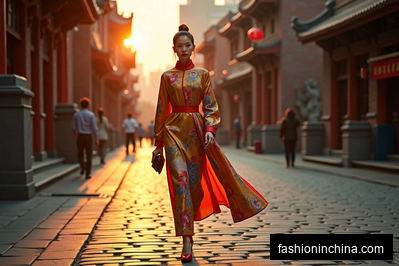
The roots of China's fashion renaissance can be traced back to its imperial past, where clothing was a significant indicator of social status and cultural identity. The qipao, or Cheongsam, a body-hugging one-piece Chinese dress for women, is a prime example of traditional attire that has evolved over centuries. Initially, the qipao was a loose garment, but it transformed in the 20th century into a symbol of modernity and elegance among Chinese women. Today, contemporary designers are reinterpreting the qipao, blending traditional elements with modern fabrics, cuts, and accessories, thereby keeping the heritage alive while appealing to the global fashion market.
Another example is the revival of Hanfu, the traditional clothing of the Han Chinese, which dates back over 3,000 years. Recent years have seen a resurgence in Hanfu's popularity, driven by a growing interest in traditional culture among China's youth. This movement is not just about fashion but is tied to a broader cultural revival that seeks to celebrate and promote Chinese historical identity. Designers are innovating within the Hanfu framework, incorporating contemporary aesthetics and techniques to create garments that resonate with today's consumers while preserving historical accuracy and significance.
The historical context of fashion in China provides valuable insights into the evolution of modern interpretations. For instance, the influence of the Ming Dynasty's elaborate silk garments can be seen in contemporary designs that incorporate traditional embroidery techniques. This fusion of historical aesthetics with modern sensibilities showcases a deep appreciation for cultural heritage while embracing innovation. By understanding the historical significance of fashion elements like cheongsam dresses and qipao silhouettes, designers can create unique pieces that honor the past while resonating with today's fashion trends.
The Influence of Fashion on Societal Values
Fashion in China's cultural renaissance is playing a crucial role in shaping and reflecting societal values. The embrace of traditional attire alongside modern designs signifies a society that values its history while simultaneously striving towards innovation and global relevance. This duality is evident in the widespread popularity of fashion trends that marry the old with the new, such as the incorporation of traditional Chinese patterns and fabrics into contemporary streetwear.
Moreover, the fashion industry's evolution in China reflects broader social changes, including the rise of individualism and the growing importance of personal expression. Young designers and fashion enthusiasts are leveraging fashion as a medium to express their unique identities, challenging traditional norms and pushing the boundaries of what is considered conventionally beautiful or stylish. This shift is indicative of a more open and diverse society that encourages creativity and individuality.
Sustainability is another critical value that has come to the forefront of China's fashion industry. With increasing awareness of environmental issues, both consumers and designers are turning towards sustainable practices, such as the use of eco-friendly materials and traditional handcraft techniques that have a lower environmental impact. This trend towards sustainability not only reflects a societal commitment to environmental stewardship but also provides a platform for reviving and preserving ancient Chinese crafts and techniques.
To delve deeper into the influence of fashion on societal values, one cannot overlook the global impact of sustainable fashion movements. As eco-conscious consumers advocate for ethical practices in the industry, brands are increasingly adopting sustainable production methods and materials. This shift not only reflects changing societal values towards environmental responsibility but also shapes consumer perceptions of what is considered fashionable. For instance, the rise of eco-friendly fashion shows and campaigns not only promotes sustainability but also influences individuals to align their personal values with their fashion choices.
Global Impact and International Collaboration
China's fashion renaissance is not occurring in isolation but is part of a larger dialogue with the global fashion industry. Chinese designers are increasingly gaining international recognition, showcasing their work at major fashion weeks in Paris, Milan, New York, and London. These platforms have allowed Chinese fashion to influence global trends, with elements of Chinese design appearing in the collections of many Western designers. The fusion of Chinese aesthetic principles with global fashion sensibilities has led to innovative designs that are appreciated worldwide.
International collaboration has been a key factor in the global rise of Chinese fashion. Partnerships between Chinese designers and international brands have resulted in groundbreaking collections that blend cultural motifs with modern design philosophies. These collaborations not only enhance the global profile of Chinese fashion but also foster a mutual exchange of ideas and techniques, enriching the global fashion landscape.
The role of technology in propelling China's fashion onto the global stage cannot be overstated. Social media platforms and e-commerce have allowed Chinese fashion brands to reach a global audience, breaking down geographical barriers and democratizing access to Chinese design. Innovations in digital fashion, such as virtual fashion shows and augmented reality (AR) fitting rooms, have further solidified China's position as a leader in the intersection of technology and fashion.
This fashion renaissance in China is emblematic of the global impact that transcends borders. International collaborations have become the cornerstone of innovation in the industry, with designers from different cultures coming together to create unique and culturally rich collections. For instance, the fusion of traditional Chinese embroidery techniques with Western silhouettes has led to groundbreaking designs that appeal to a diverse global audience. This cross-cultural exchange not only showcases the beauty of diversity but also highlights the power of collaboration in shaping the future of fashion on a global scale.
Challenges and Future Directions
Despite the significant strides made in China's fashion renaissance, the industry faces several challenges. The global fashion market is highly competitive, and establishing a distinctive identity that resonates internationally while staying true to cultural roots is a complex balancing act. Additionally, the rapid pace of the fashion industry often conflicts with the slow, meticulous process of traditional craftsmanship, posing a threat to the preservation of these ancient techniques.
Looking to the future, the key to sustaining China's fashion renaissance lies in education and innovation. Developing educational programs that blend design, history, and technology can equip the next generation of designers with the skills needed to innovate within the framework of traditional Chinese aesthetics. Furthermore, fostering a culture of innovation that encourages experimentation and cross-disciplinary collaboration will be crucial for the ongoing evolution of Chinese fashion.
Sustainability will continue to be a significant focus, with an increasing need for the industry to embrace eco-friendly practices and materials. As consumer awareness of environmental issues grows, the demand for sustainable fashion is likely to rise, providing an opportunity for Chinese designers to lead in the development of green fashion technologies and sustainable design practices.
Finally, the expansion of international collaboration and exchange programs can further integrate Chinese fashion into the global market, fostering a deeper understanding and appreciation of Chinese culture worldwide. By continuing to break new ground in design, technology, and sustainability, China's fashion industry can play a pivotal role in shaping the future of global fashion.
One key challenge that the fashion industry in China grapples with is sustainability. While the market is booming, concerns about environmental impact and ethical practices are becoming more prominent. To address this, many brands are shifting towards eco-friendly materials and production methods, paving the way for a more sustainable future. Looking ahead, the industry also faces the task of adapting to rapidly evolving consumer preferences and technological advancements. Embracing digital innovation, such as virtual fashion shows and personalized shopping experiences, will likely be key in staying ahead in the competitive landscape.
Conclusion
China's cultural renaissance, with fashion at its heart, is a testament to the nation's remarkable ability to honor its rich historical legacy while forging a modern identity that resonates on a global scale. The interplay of traditional motifs and contemporary design philosophies has not only revitalized Chinese fashion but has also redefined societal values, embracing individuality, sustainability, and international collaboration. As China continues to navigate the complexities of the global fashion landscape, its journey offers invaluable insights into the transformative power of fashion in shaping cultural identity.
For designers, industry professionals, and fashion enthusiasts worldwide, the evolution of fashion in China's cultural renaissance serves as both inspiration and a call to action. It invites us to rethink the role of fashion in cultural expression and to consider how our own creative endeavors can contribute to the ongoing dialogue between tradition and innovation. As we look to the future, the story of Chinese fashion reminds us of the endless possibilities that arise when we weave together the threads of history, culture, and creativity.
In conclusion, China's cultural renaissance, particularly through the lens of fashion, showcases the nation's ability to blend tradition with modernity seamlessly. The evolution of traditional Chinese garments like qipao into contemporary fashion statements reflects a deep-rooted respect for heritage while embracing innovation. Additionally, the global influence of Chinese designers like Guo Pei and Ma Ke underlines the country's growing significance in the fashion world. This intersection of history, artistry, and cultural pride in China's fashion renaissance serves as a powerful example of how tradition can inspire and shape the future.