Introduction
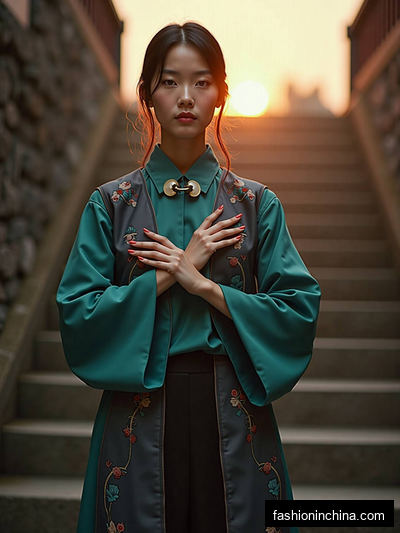
The global fashion landscape is witnessing a seismic shift, with emerging Chinese designers leading the charge. This new vanguard is redefining the aesthetics of contemporary fashion, infusing traditional Chinese elements with cutting-edge design philosophies. As the world becomes more interconnected, these designers are gaining international acclaim, challenging established norms, and showcasing China's burgeoning influence on the global stage.
This comprehensive exploration delves into the stories of these trailblazers, their innovative approaches, and the unique challenges they face. By examining their contributions, we uncover the broader implications for the fashion industry and cultural exchange. Their work not only represents a blend of East and West but also signals a shift towards a more inclusive and diverse global fashion dialogue.
In this introductory phase, it's fascinating to observe how the fusion of traditional Chinese aesthetics with modern design techniques is shaping the future of global fashion. Designers like Angel Chen and Uma Wang are gaining international recognition for their innovative approaches, bridging East and West seamlessly. This shift not only showcases cultural diversity but also challenges conventional fashion norms.
Pioneering a New Aesthetic
At the forefront of this movement are designers who dare to rethink traditional Chinese motifs and craftsmanship. Uma Wang, for instance, is renowned for her sophisticated textile treatments that marry Italian and Chinese tailoring techniques, creating pieces that speak a universal design language while deeply rooted in her cultural heritage. Similarly, Angel Chen has made waves with her colorful and eclectic collections that blend Eastern and Western influences, demonstrating a bold approach to fashion design that resonates globally.
Another notable figure is Huishan Zhang, whose designs have been celebrated for their delicate balance between modernity and tradition. Zhang's collections often feature intricate details that pay homage to his Chinese roots, while his use of contemporary silhouettes and materials appeals to a global audience. These designers exemplify how the new vanguard is not just about creating clothes but about narrating stories that bridge cultural divides.
Exploring the fusion of ancient techniques with modern design, these innovative creators are reshaping the visual landscape. Embracing sustainability, a wave of artists is crafting eco-conscious pieces that honor tradition while pushing boundaries. From upcycled textiles to minimalist silhouettes inspired by nature, this movement is not just about aesthetics but also a statement of mindful creativity.
Challenges and Opportunities
Emerging Chinese designers face a unique set of challenges as they navigate the global fashion scene. One significant hurdle is the stereotype that associates Chinese design with mass production and low quality. Overcoming this perception requires not only exceptional craftsmanship but also strategic branding and marketing to highlight the designers' innovative contributions and the high quality of their creations.
On the flip side, these designers have unprecedented opportunities to leverage China's rich cultural heritage and rapid technological advancements. The global fascination with Chinese culture provides a fertile ground for these creatives to draw from their deep well of history, art, and philosophy, offering something genuinely distinct to the international market. Furthermore, China's position as a leader in digital innovation allows these designers to pioneer new ways of engaging with consumers, from virtual fashion shows to digital fitting rooms.
Despite the challenges, emerging Chinese designers are harnessing the power of e-commerce platforms to reach a global audience. By leveraging social media influencers and digital marketing strategies, they are turning obstacles into opportunities for brand exposure. This shift towards online retail has opened new doors for talent to showcase their unique designs and connect with international consumers.
Sustainability and Ethical Considerations
Sustainability is another crucial aspect where emerging Chinese designers are making their mark. Recognizing the environmental impact of the fashion industry, many are spearheading efforts to create more sustainable practices. For example, Shaway Yeh, through her platform yehyehyeh, has been instrumental in promoting sustainability in fashion, advocating for eco-friendly materials and production methods. Designers such as Ban Xiaoxue and Zhang Na are also leading by example, incorporating organic fabrics and championing slow fashion principles in their collections.
These efforts highlight a growing awareness and commitment among the new vanguard to not only produce aesthetically pleasing garments but also to ensure their creations are ethically made and environmentally sustainable. This approach not only sets a new standard for the industry but also resonates with a global audience increasingly concerned with the origins and impact of their clothing.
In addition to sustainable practices, ethical considerations are gaining prominence in the fashion industry. Many designers are now prioritizing fair labor practices and sourcing materials ethically. For instance, some brands are partnering with local artisans to preserve traditional craftsmanship while ensuring fair wages. This shift towards ethical fashion not only benefits the environment but also supports communities and promotes transparency in the supply chain.
The Global Impact
The influence of emerging Chinese designers extends far beyond the runway, contributing to a broader cultural exchange and understanding. By showcasing their work on international platforms, these designers are not only promoting Chinese aesthetics but also facilitating dialogues between cultures, fostering a more inclusive global fashion community. This exchange is vital in an era where appreciation and respect for cultural diversity are more important than ever.
Moreover, their success on the global stage is inspiring a new generation of designers in China and around the world. They are proving that with innovation, dedication, and a deep respect for one's cultural roots, it is possible to make a significant impact on the international fashion landscape. As these designers continue to gain recognition, they pave the way for more diverse voices to be heard, enriching the global tapestry of fashion with new textures, stories, and perspectives.
In addition to the rise of Chinese designers, the global impact of sustainable fashion practices cannot be underestimated. Brands like Patagonia and Stella Mc Cartney are leading the way by promoting ethical production methods and environmental responsibility. This shift in the industry is not only influencing consumer behavior but is also setting a new standard for the entire fashion ecosystem.
Conclusion
The emergence of Chinese designers on the global stage marks a pivotal moment in the fashion industry. These designers, with their innovative approaches and deep reverence for their cultural heritage, are not only redefining what Chinese fashion means but are also challenging and expanding the boundaries of global fashion. Their work illustrates the power of fashion as a form of cultural expression and dialogue, bridging gaps and bringing diverse worlds closer together.
As the fashion world continues to evolve, the contributions of these emerging Chinese designers will undoubtedly play a significant role in shaping its future direction. By embracing sustainability, leveraging technology, and fostering cultural exchange, they offer valuable lessons and insights for the industry at large. Their journey underscores the importance of innovation, authenticity, and a commitment to ethical practices, principles that will guide the next generation of designers, both in China and worldwide.
In conclusion, the rise of Chinese designers is reshaping the fashion landscape by infusing traditional elements with modern innovation. From the intricate embroidery of Guo Pei to the avant-garde designs of Xander Zhou, these visionaries are revolutionizing the industry and challenging Western dominance. As global fashion becomes more inclusive and diverse, the influence of Chinese designers is undeniable.